Maritime Container Management Introduction
In international and domestic inter-island shipping across Indonesia, the two most common maritime shipment modes are LCL (Less than Container Load) and FCL (Full Container Load). Choosing the wrong method affects not just delivery speed, but can inflate overall supply chain costs by up to 30%.
Awniraya Logistiks operational team compiled this practical guide to help procurement managers and shipping directors make data-backed cargo decisions.
Less than Container Load (LCL)
LCL is a shipping model where your cargo is consolidated with goods from other shippers into a single standard container (20ft or 40ft). Billing is calculated per volume (CBM) or weight (Ton), whichever is greater.
- Pro: You only pay for the exact volume your cargo occupies.
- Con: Requires additional handling time at the Container Freight Station (CFS) for stuffing and deconsolidation.
Full Container Load (FCL)
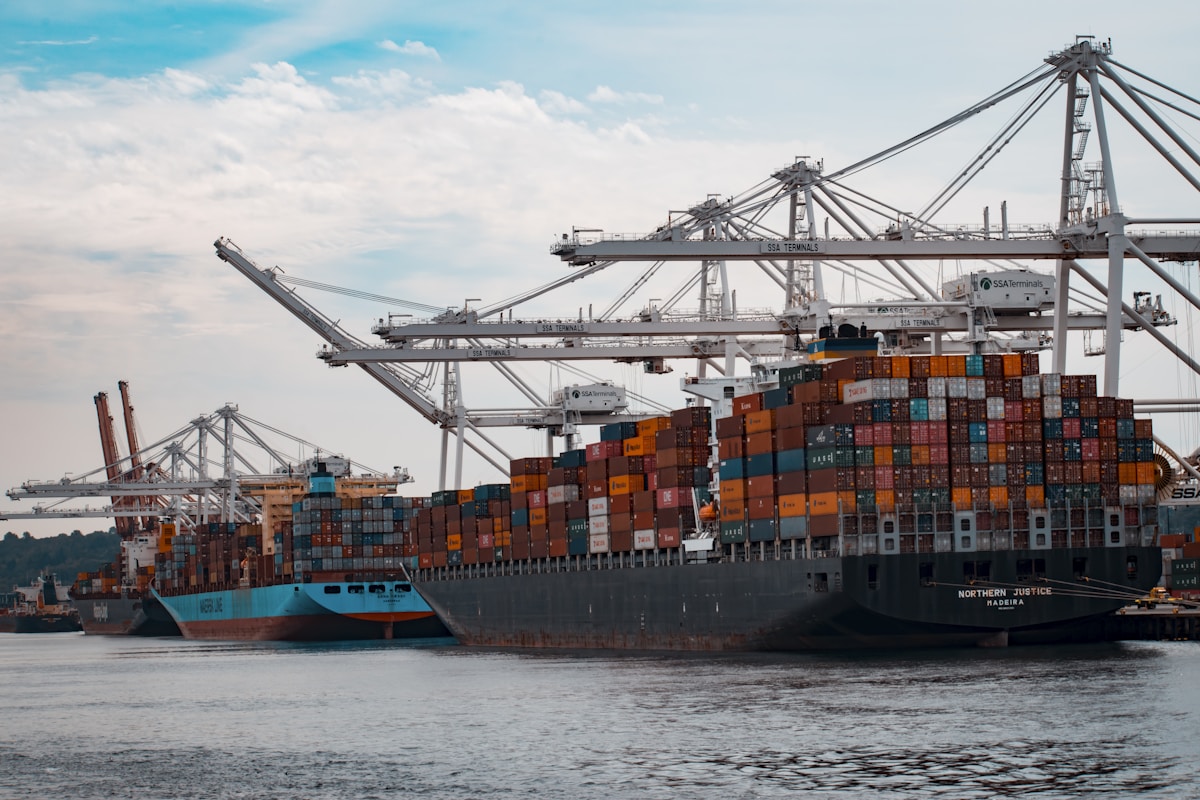
FCL is the exclusive rental of an entire container for your cargo. Even if the box is not filled 100%, the container is sealed at origin and remains unopened until arrival at the final destination.
- Pro: Tamper-evident security seal, zero damage risk from third-party cargo, faster port-to-port transit.
- Con: Fixed flat rate per container, less economical for shipments under 10 CBM.