Protecting Wildlife, Supporting Responsible Trade
In international trade, not all natural products can be exported or imported freely. Some types of wild plants and animals require special documents to ensure that trade does not threaten their sustainability.
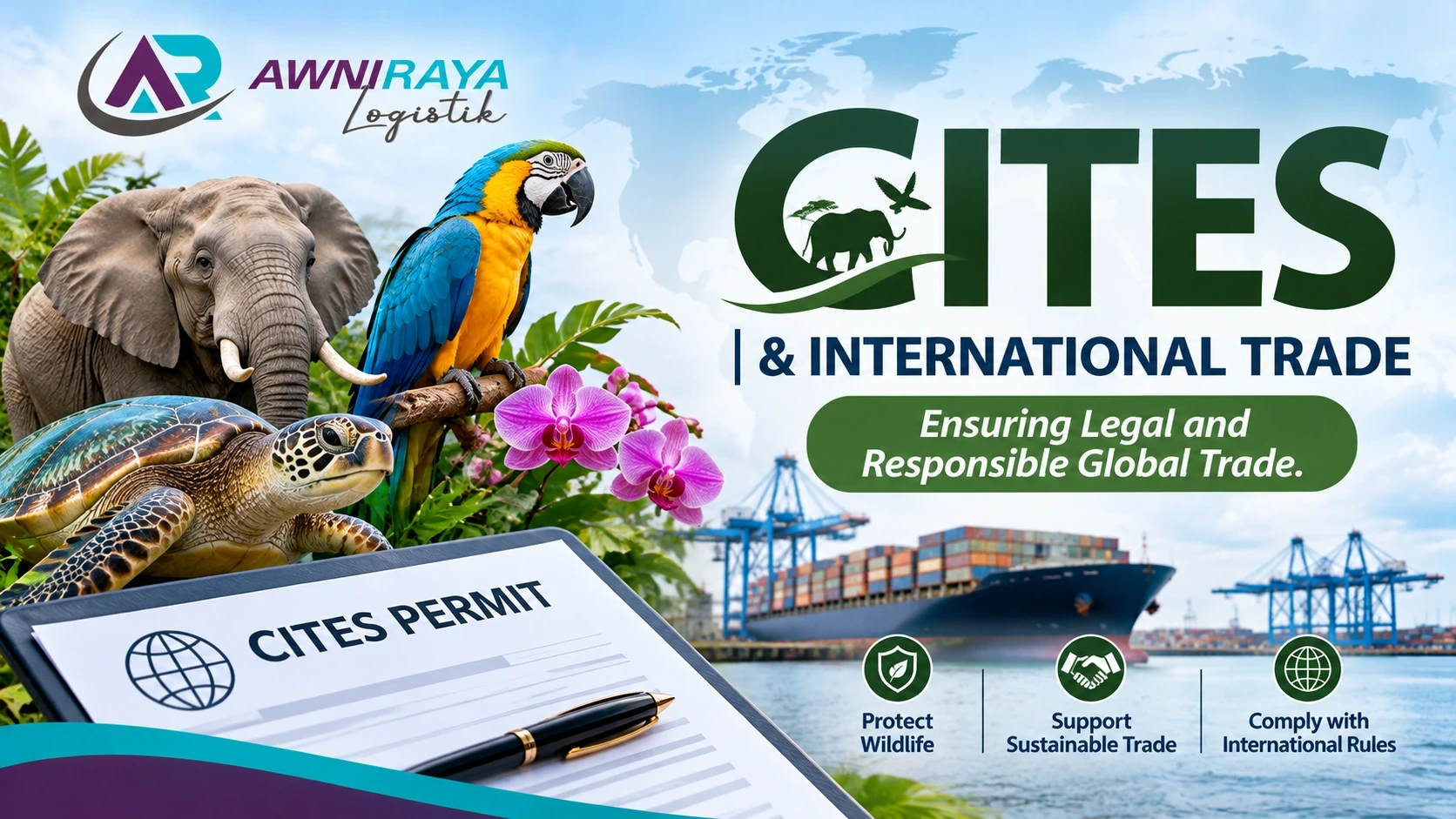
One important document that needs to be known is CITES.
What is CITES?
CITES (Convention on International Trade in Endangered Species of Wild Fauna and Flora) is an international agreement that regulates trade in wild plant and animal species so that they do not threaten their survival in nature.
CITES helps ensure that trade
Getting to Know the 3 CITES Categories
CITES divides regulated species into three categories:
Appendix I: Endangered species and their commercial international trade are generally prohibited, with limited exceptions.
Appendix II: Species whose trade must be controlled so as not to threaten
Appendix III: Species that are protected in certain countries and require international cooperation in controlling their trade.
Why is CITES Important in Exports and Imports?
For exporters and importers, understanding CITES provisions is very important before sending.
Some of the benefits include:
Ensuring commodities meet trade conditions international.
Helps complete export and import documents.
Reduces the risk of goods being detained due to inappropriate documents.
Supports legal and responsible trade in natural products.
Ensure Documents Before Delivery
Not all natural product commodities require CITES documents. The obligations depend on the type of species, product, country of origin, country of destination, and applicable regulations.
Therefore, checking commodity status and completeness of documents before delivery is an important step.